Earthquakes are an inevitable part of life, especially in areas prone to seismic activity. They can strike suddenly and without warning, causing devastation and destruction in their wake. To protect buildings and infrastructure from the forces of an earthquake, it is essential to have a robust seismic bracing system in place.
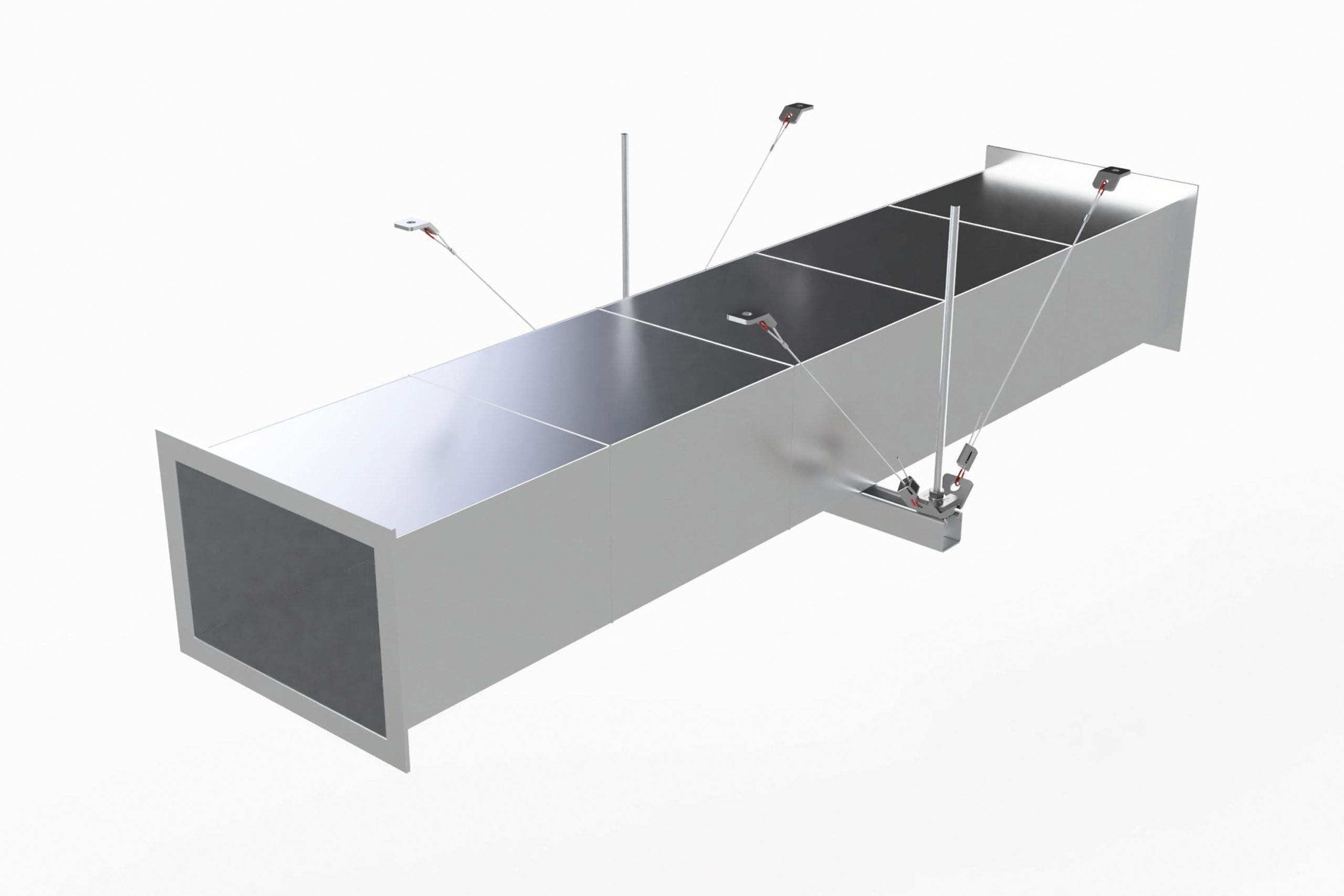
A seismic bracing system is a set of structural elements designed to minimize damage to buildings during an earthquake. These systems are typically made up of a combination of beams, braces, and other components that work together to provide additional support and stability to a structure.
The primary purpose of a seismic bracing system is to reduce the lateral forces generated by an earthquake. During an earthquake, buildings are subjected to horizontal movement, which can cause them to sway and even collapse if not properly supported. A seismic bracing system helps to counteract these forces by providing additional resistance and support to the building.
There are several different types of seismic bracing systems available, each with its own unique features and benefits. One common type of system is a diagonal bracing system, which consists of diagonal braces that are installed between the structural components of a building. These braces help to distribute the lateral forces evenly throughout the structure, reducing the risk of damage.
Another type of seismic bracing system is a moment-resisting frame system, which uses specially designed beams and columns to resist the forces generated by an earthquake. These systems are often used in high-rise buildings and other structures that require extra support.
In addition to these systems, there are also base isolation systems, which work by decoupling the building from the ground to reduce the impact of seismic waves. This type of system is particularly effective in areas with high levels of seismic activity.
Overall, the importance of a seismic bracing system cannot be overstated. Without a proper system in place, buildings are at risk of serious damage during an earthquake, putting the safety of occupants at risk. By investing in a quality seismic bracing system, property owners can protect their buildings and ensure the safety of those inside.
In addition to protecting buildings and infrastructure, seismic bracing systems also play a crucial role in ensuring the continued functionality of critical facilities. Hospitals, power plants, and other important structures must remain operational during and after an earthquake to provide essential services to the community. A robust seismic bracing system can help to ensure that these facilities remain intact and operational in the event of a seismic event.
Furthermore, seismic bracing systems also help to protect the structural integrity of buildings, reducing the need for costly repairs and renovations after an earthquake. By investing in a high-quality system, property owners can save money in the long run by preventing damage and ensuring the longevity of their buildings.
In conclusion, a seismic bracing system is an essential component of any building in an earthquake-prone area. These systems provide critical support and stability during an earthquake, protecting buildings, infrastructure, and occupants from harm. By investing in a quality seismic bracing system, property owners can ensure the safety and functionality of their buildings for years to come.