When it comes to the HVAC industry, there are many tools and accessories that are essential for getting the job done efficiently One such tool that often goes unnoticed but plays a crucial role in the installation and maintenance of HVAC systems is HVAC rope HVAC rope is a versatile and durable tool used for a variety of purposes in the heating, ventilation, and air conditioning industry.
HVAC rope is typically made from high-quality materials such as nylon, polypropylene, or polyester These materials are chosen for their durability and strength, making HVAC rope a reliable tool for a wide range of applications The rope is typically braided or twisted to provide added strength and flexibility, making it ideal for use in tough and demanding environments.
One of the most common uses of HVAC rope is for pulling and securing cables and wires during the installation of HVAC systems HVAC systems are made up of numerous components, including cables, wires, and ductwork, which need to be properly secured and organized to ensure the system functions efficiently HVAC rope is often used to pull these components through tight spaces and secure them in place, making the installation process smoother and more streamlined.
In addition to its use in the installation of HVAC systems, HVAC rope is also used for maintenance and repair purposes HVAC systems require regular maintenance to ensure they are operating at peak efficiency, and HVAC rope can be used to secure components in place during maintenance procedures Whether it’s securing ductwork in place or pulling cables through an HVAC system for repairs, HVAC rope is a valuable tool for HVAC technicians.
Another important use of HVAC rope is for safety purposes HVAC systems are often installed in hard-to-reach places, such as rooftops or crawl spaces, which can pose a risk to technicians working on them HVAC rope can be used to secure technicians in place while they work on these systems, providing an added layer of safety and protection hvac rope. Additionally, HVAC rope can be used to create safety barriers or boundaries around hazardous areas, ensuring that technicians can work safely and efficiently.
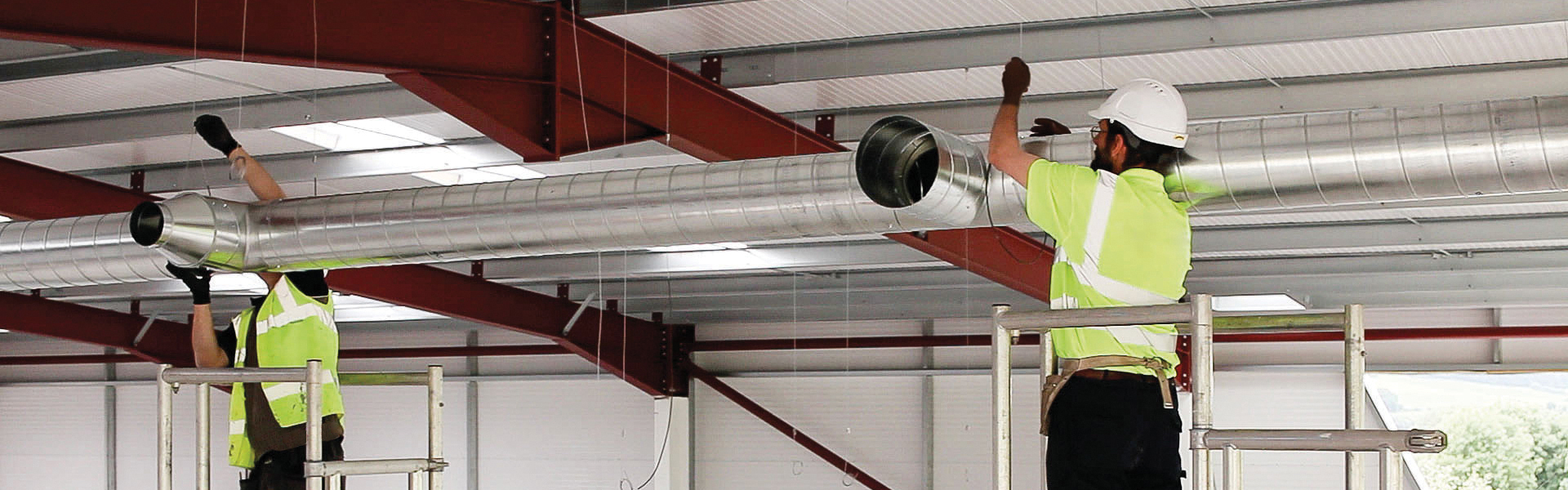
When choosing HVAC rope, it’s important to consider the specific requirements of the job at hand Different types of HVAC rope are available, each with its own unique features and benefits For example, nylon rope is known for its strength and durability, making it ideal for heavy-duty applications On the other hand, polypropylene rope is lightweight and flexible, making it easier to handle in tight spaces.
In addition to the material of the rope, the diameter and length are also important factors to consider when choosing HVAC rope The diameter of the rope will determine its strength and weight-bearing capacity, while the length will determine how far it can reach and how much slack is available for various applications It’s important to choose the right size and length of HVAC rope for the job to ensure it can handle the specific requirements of the task.
Overall, HVAC rope is a versatile and essential tool for HVAC technicians From installation to maintenance and repair, HVAC rope plays a crucial role in ensuring HVAC systems are installed and maintained properly With its strength, durability, and flexibility, HVAC rope is a reliable tool that can help technicians work safely and efficiently in a variety of environments.
In conclusion, HVAC rope is a valuable asset in the HVAC industry, providing technicians with the tools they need to install, maintain, and repair HVAC systems effectively By choosing the right type, size, and length of HVAC rope for the job at hand, technicians can ensure they have a reliable tool that will help them get the job done safely and efficiently So next time you’re working on an HVAC system, don’t forget the importance of HVAC rope in your toolkit.